26
Sep
European Day of Languages
26 September marks the European Day of Languages, a day when the Council of Europe actively promotes plurilingualism.
There is an important distinction between multilingualism and plurilingualism. Multilingualism refers to the ability to speak multiple languages proficiently (though not necessarily perfectly). In contrast, plurilingualism encompasses the capacity to learn several languages and appreciate linguistic diversity in both individuals and societies. Thus, plurilingualism involves knowledge of various languages, combined with intercultural competence and democratic citizenship.
The Council of Europe, the foremost human rights organisation on the continent, based in Strasbourg, France, established the European Day of Languages on 6 December 2001, coinciding with the conclusion of the European Year of Languages. Since then, member states have organised various activities and events to celebrate this significant occasion.
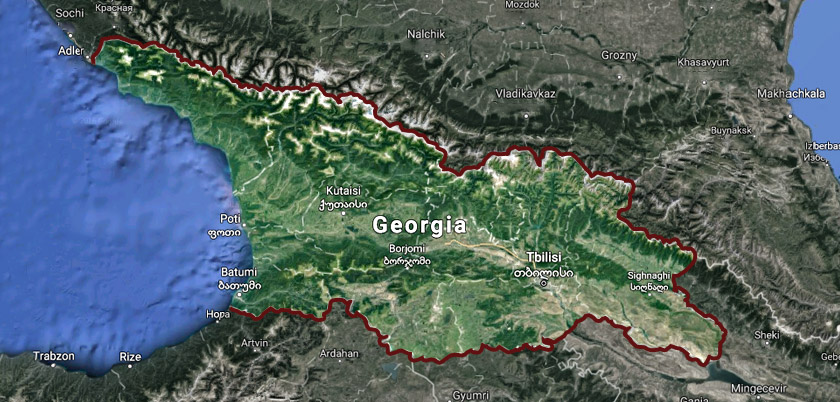
Across Europe, 800 million individuals are represented in the Council of Europe’s 47 member states, 28 of which are part of the European Union. Georgia became the 41st member state of the Council of Europe on 27 April 1999.
Europe is home to 225 indigenous languages, with approximately two-thirds currently at risk of extinction. The most widely spoken languages on the continent include Russian, German, Turkish, English, French, and Italian. The European Day of Languages encourages individuals to learn a second or third language and underscores the crucial role this plays in enhancing multilingualism and fostering intercultural understanding.