11
Dec
Tango Day
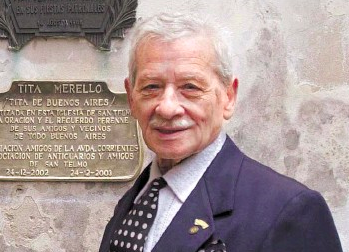
Ben Molar, an Argentine composer and musical producer, conceived the brilliant idea to establish National Tango Day.
It takes little to inspire a passion for tango, especially for an Argentine whose blood seems to dance rather than run. For over 99 years, Ben Molar has danced to the rhythm of tango.
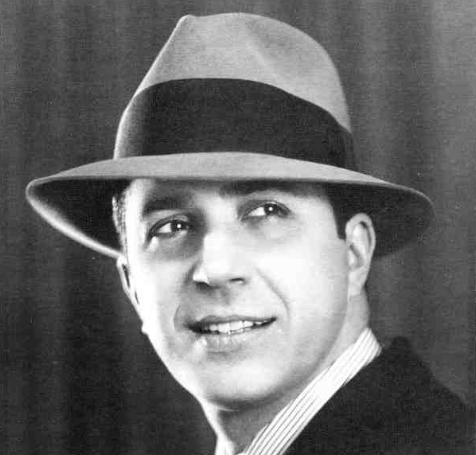
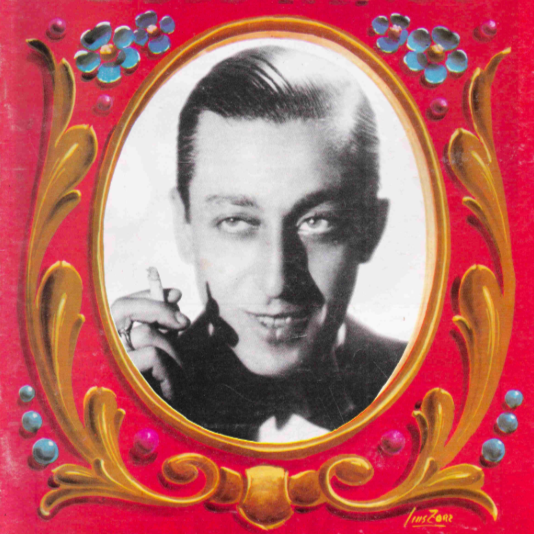
He chose 11th December to honour the birthdays of two musicians who significantly shaped the development and popularisation of Argentine tango: Carlos Gardel (1890), a French-Argentine singer, songwriter, composer, and actor known as ‘the King of Tango’, and Julio de Caro (1899), a prominent Argentine composer, musician, and conductor.
Initially, supporters largely overlooked the idea. However, Ben Molar persevered, and on 11th December 1977, Buenos Aires celebrated the inaugural Tango Day. A week later, the Argentine government officially recognised Tango Day as a national holiday.
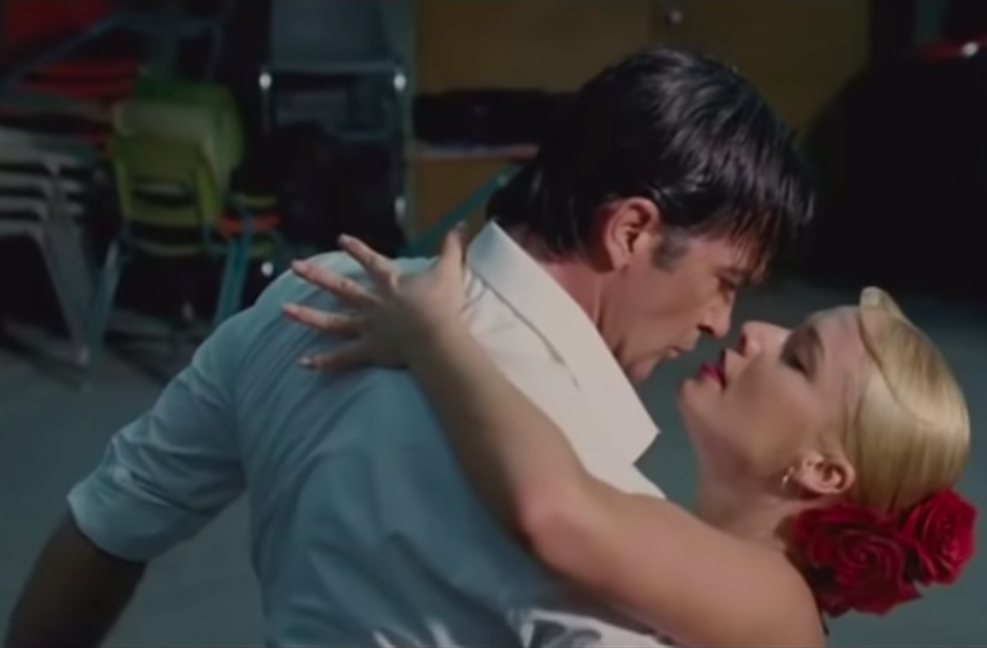
Tango emerged in the early 1880s along the River Plate (Río de la Plata), which forms the natural border between Argentina and Uruguay. This genre represents a skilful blend of various influences, including the German waltz, Czech polka, Polish mazurka, Bohemian schottische, Spanish habanera, African candombe, and Argentine milonga. Today, tango encompasses a variety of styles that developed across different regions and eras in Argentina and around the world. Despite its evolution, this unique dance retains a strong character, embodying an unparalleled spirit.
In 2003, organisers established the World Tango Dance Tournament (El Mundial de Tango) as an annual competition for Argentine tango. Typically, this tournament occurs in the final weeks of August and culminates a series of pre-competition activities held globally, starting in March.
Since 2006, the Campeonato Metropolitano de Baile de Tango de Buenos Aires, the Buenos Aires city competition for tango, has taken place in late July in the capital of Argentina.
Since 2010, the European Tango Championship has taken place in early July in Italy, serving as a preliminary event for the Buenos Aires competition.
Since 2014, the UK Tango Festival and Championship has occurred annually in London from May to June.
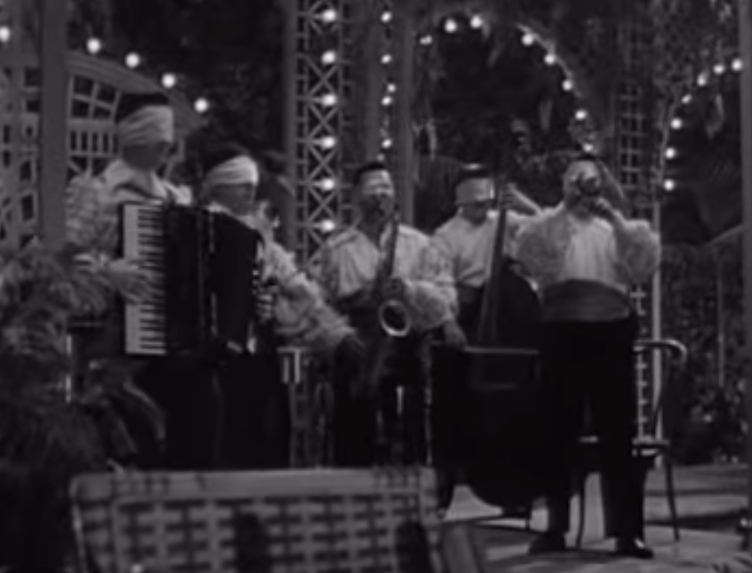
Furthermore, the Argentine Tango USA Championship has taken place every year during Easter Week since 2011.

Many believe that Argentine tango offers significant health benefits to its practitioners. While all forms of dance promote well-being, documented evidence shows that Argentine tango enhances quality of life by providing benefits such as physical exercise, social satisfaction, spirituality and mindfulness, cognitive enhancement, meaningful experiences, emotional well-being, and educational growth.
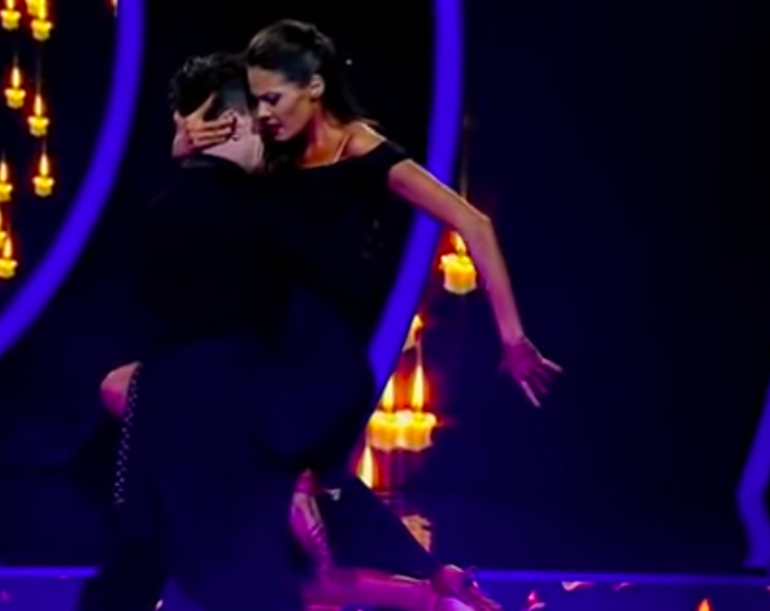
In 2004, Tamara Di Tella developed a rehabilitation exercise method for patients with severe nervous system dysfunction, which she named Tangolates. This method combines the core stability of Pilates with the concentration, coordination, and fluid movement characteristic of tango.
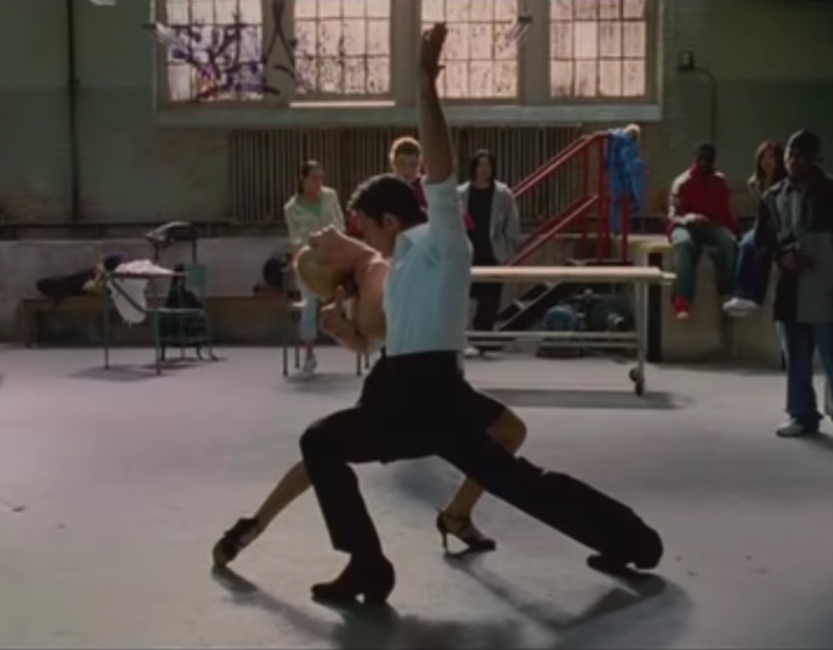
On 31st August 2009, Argentina and Uruguay submitted a joint proposal to include tango on the UNESCO Intangible Cultural Heritage List, and it was subsequently approved.
